
 (610) 594-2394
 Call
us: (610) 594-2394
Call
us: (610) 594-2394
Call
us: (610) 594-2394
Call
us: (610) 594-2394

You know those paint colors you absolutely love? Whether you’re drawn to sage green or rhubarb pink, the colors that feel “just right” didn’t appear out of thin air — they have roots that go back for centuries. And the story behind them is pretty interesting.
As we celebrate America’s 250th anniversary at COCOON and prepare to launch our Revolutionary Living paint collection in partnership with Sherwin-Williams, we’ve been thinking a lot about the history of paint in American homes and how colors have evolved. From symbolizing status to setting the mood, paint colors have been one of the most important parts of a living space since our country’s birth — and are one of the most fun things to pick out during a home remodel!
Let’s explore the story of home paint colors in America from the Colonial days until now, so you can get inspired to create a colorful story of your own.
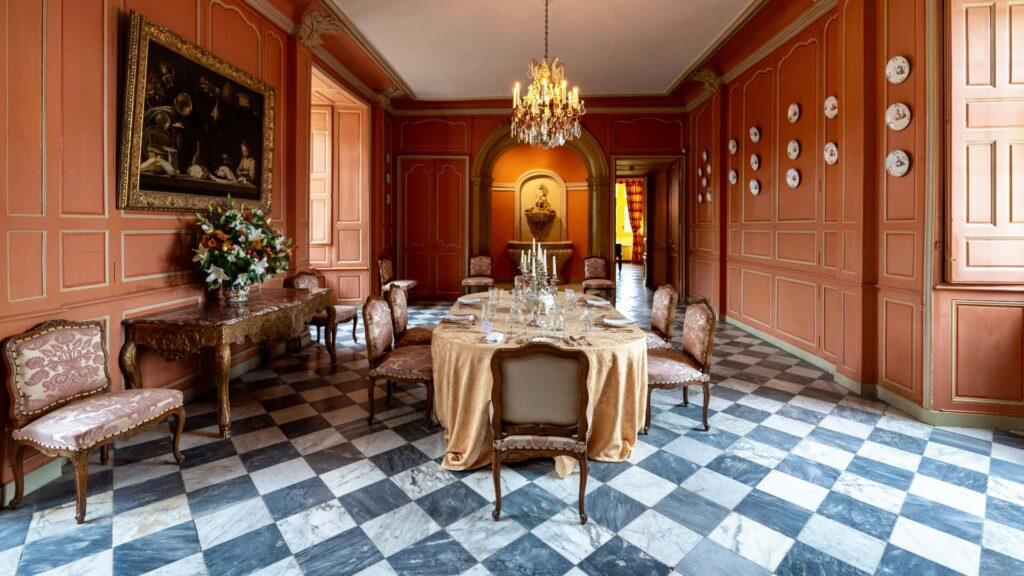
If you picture George Washington browsing paint swatches at his local hardware store, think again! Back in the Colonial days, or the period from the mid-1600s to about 1780, hardware stores weren’t quite a “thing” yet, and paints weren’t made in a factory. Instead, home paint colors were handmade from pigments that could be taken from the earth, like clay and plant dyes. In some cases, pigments were imported from abroad.
Though Quaker simplicity influenced home interiors during this era, especially in the Philly area, not all Colonial homes were colorless. Popular shades were warm, rich and earthy, and made spaces feel pretty cozy. They included:
Since colors weren’t something anyone could just hop in the car and go buy, they were also often a “status” symbol — especially those more vibrant colors that were imported. For example, George Washington’s Mount Vernon home showcased intense verdigris green in the dining room, which Washington called “grateful to the eye.”
Even back then, Americans knew that color could be a way to express yourself and change the feeling of a room. But bright, bold colors weren’t accessible to everyone, and much of interior design was still under European influence.
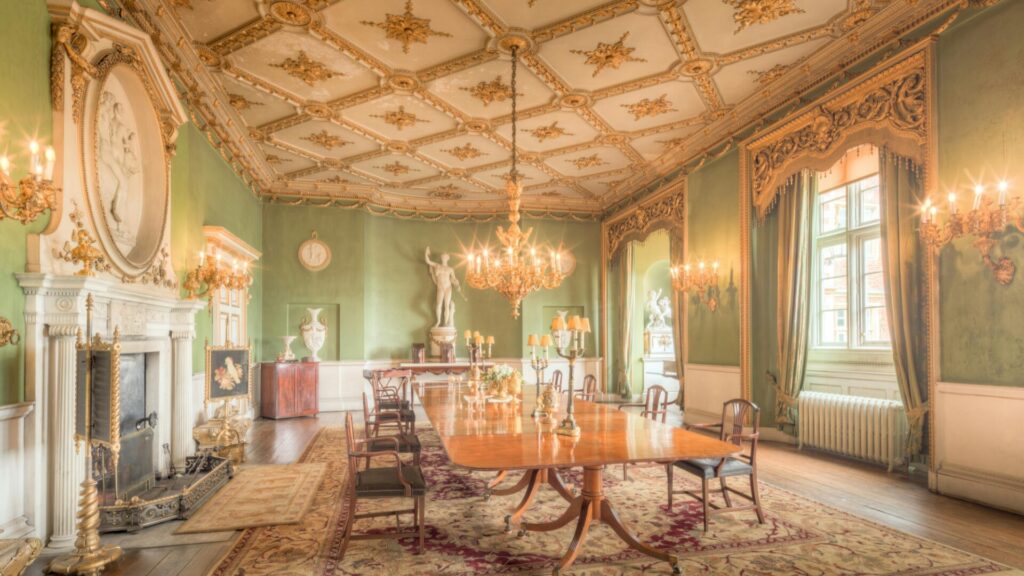
The Federal style was one of the country’s first real design movements, and it brought a lighter, more refined color palette to homes in big cities like Philadelphia, Boston and Charleston before shaping tastes throughout the country.
If you traveled in a time machine back to the late 1700s or early 1800s, you’d find interiors painted in calm, muted colors like:
What inspired this color palette? For one, the Federal style — which came before the Greek Revival trend — was influenced by the designs of Robert Adam, who was inspired by Greek and Roman art and culture. So, those peach-colored walls in that Federal-style home could well be the result of homeowners daydreaming about sun-kissed ancient ruins. Who would’ve thought?
But the Federal era wasn’t all about ancient style. After the Revolutionary War, designers started to find a voice that was uniquely American as homeowners leaned into patriotic colors like “Federal” blue and creamy white.
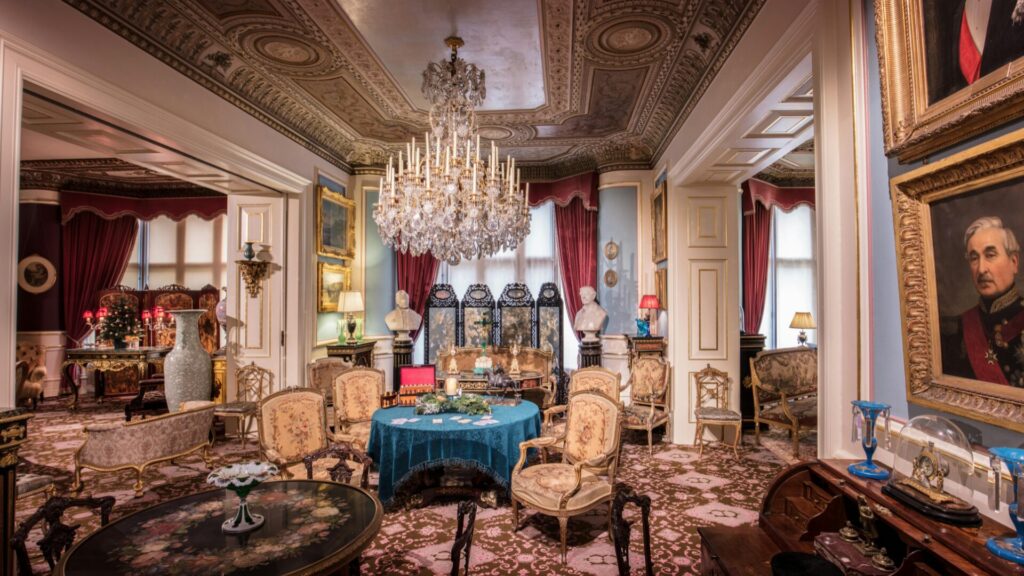
During the Victorian era in the 19th century, everything got flipped on its head thanks to the Industrial Revolution. Paint factories emerged all over the country, and suddenly, paint became more affordable and more accessible. The average homeowner could now go bold in any room, and they didn’t hold back. Popular paint colors included:
At this point in American history, paint took personal style to the next level. At COCOON, we think this shift is pretty important because it marks a time when Americans started treating their homes as a form of self-expression, not just as shelter. And that spirit hasn’t gone anywhere!
Are you excited to decorate your home for America’s big 250? Well, so were homeowners in 1926 for the country’s 150! Americans got nostalgic during the 1920s and started craving the designs of the Colonial days. That’s why you’d find heritage-inspired palettes throughout Philly and the Northeast with colors like:
Colonial Williamsburg in Virginia was also restored around this time, which popularized historical paint colors across the nation. Homeowners started choosing the timeless paint colors that we still use today.
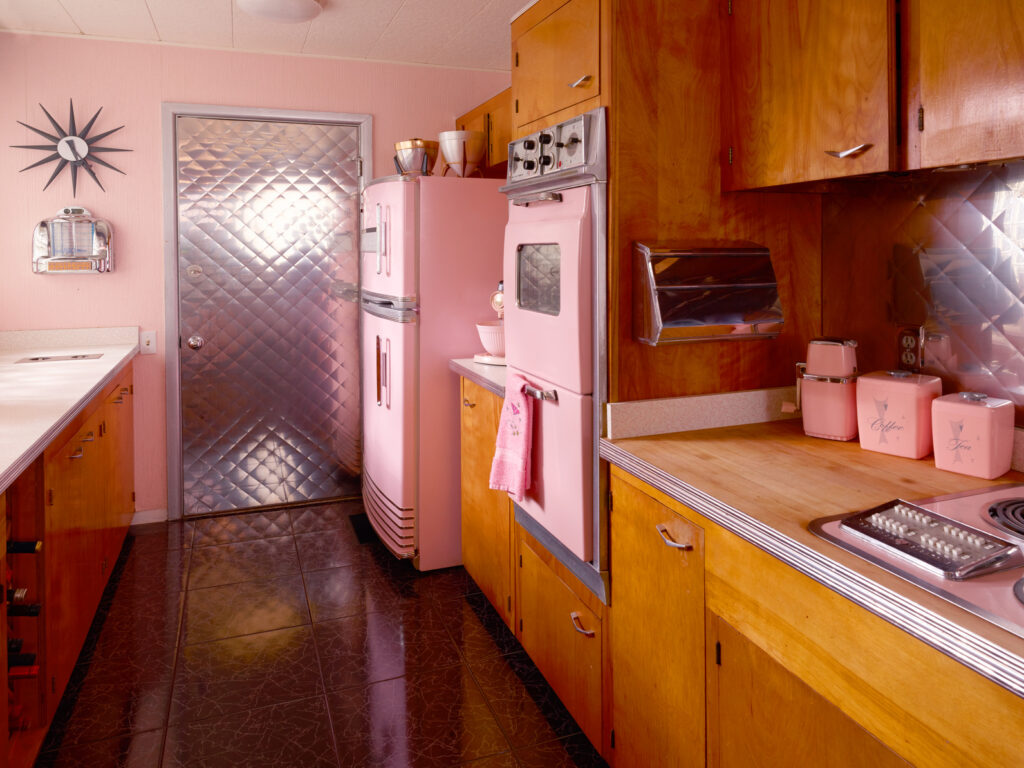
If you’re a homeowner in the Philly suburbs, you’ve probably seen a post-war home or two — or live in one! Think Cape Cods, ranches and split-levels. The suburbs saw a major housing boom after WWII, and homeowners were all about bringing a sense of optimism and casual living to their spaces. The following colors helped them do that:
Also during this time, paint companies made color selection more accessible by introducing broader consumer paint collections and marketing entire palettes designed specifically for suburban families. We see color become more tied to individuality after the war, too, as American homes became more personal overall.
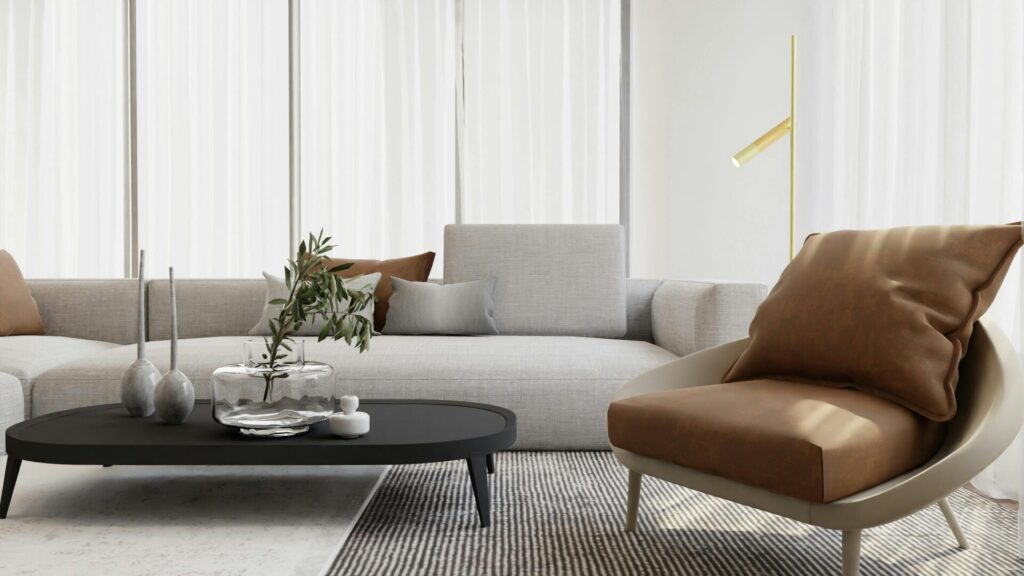
By the late 20th century, America decided to play it safe. Minimalism and Scandinavian design — which focuses on simplicity and neutral colors — as well as contemporary architecture swept the country, bringing more restrained color palettes into the mainstream.
The result was that beige became dominant. Then gray. Then bright white everything. For decades, these neutral palettes felt clean, modern and flexible, and were easy to live with. But eventually, homeowners started desiring warmth and personality again.
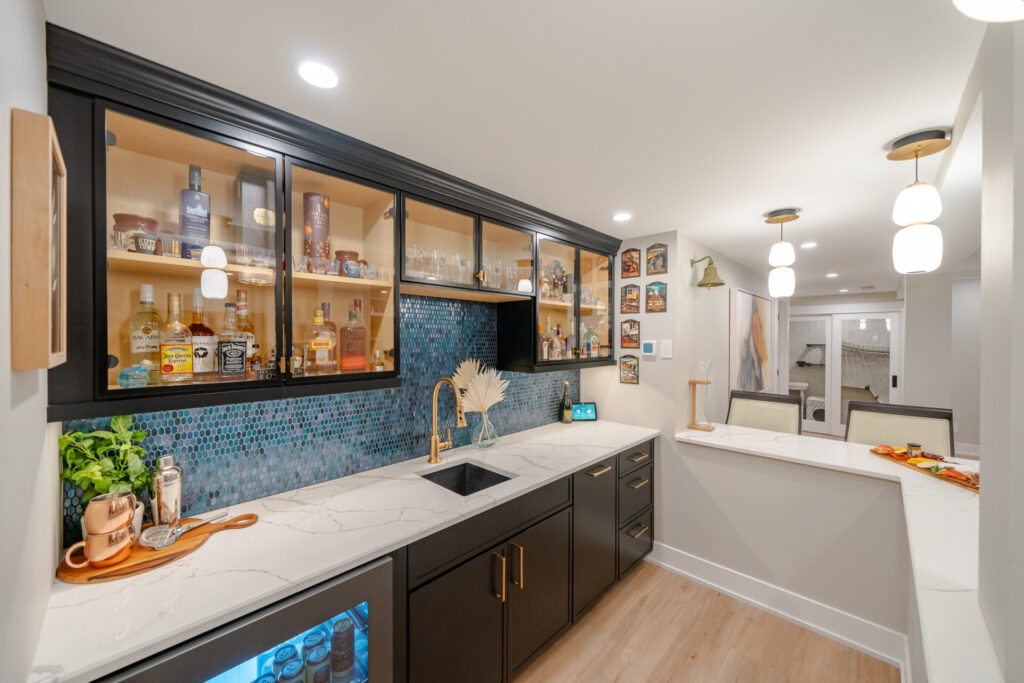
And here we are! Today, people crave homes that feel comforting and authentic. That’s because today’s homeowners recognize that their homes are much more than just a place to sleep and keep stuff — they are personal sanctuaries. Homeowners are increasingly embracing soothing hues that resonate with them, like:
You’ll find many of today’s interior design trends drawing inspiration from historical paint colors, because these earlier colors capture that earthy warmth many of us want in our home.
When we developed the Revolutionary Living paint collection with Sherwin-Williams, we weren’t trying to copy and paste the past. We were inspired by it — by the emotional role that paint colors have always played inside the home. We wanted to create colors that feel timeless yet modern, grounded yet optimistic, historic yet fresh. Colors with roots and a view into the future.
Are you excited to transform your home and make it more functional, beautiful and made just for you? At COCOON, we’ve spent over a decade helping homeowners create spaces that tell their personal story and feel just right.
No matter if you love warm, historic paint colors or the crisp, clean feel of bright white, we’d love to hear your ideas! Reach out to us today to chat about your vision!