
 (610) 594-2394
 Call
us: (610) 594-2394
Call
us: (610) 594-2394


Your holiday hosting notes might start with a familiar question: “Where should I put this?”
Guests arrive with Corropolese tomato pie, a pumpkin pie from Linvilla, and Highland Orchards cider doughnuts someone insists we’ll need for the morning. Meanwhile, coats collect on the dining chairs, and someone settles at the kitchen island to catch up while you finish dinner.
None of this means your home wasn’t ready for company. It means people showed up, made themselves comfortable, and used the space.
Hosting brings familiar routines into sharper focus. You notice where people gather, which surfaces fill up first, and what makes welcoming a crowd feel easy. If a remodel is somewhere in your future, those moments can help you understand what matters most.
You don’t need to spend the holidays planning a renovation. Enjoy your guests. Afterward, save a few observations about what worked, what felt awkward, and what you’d love to preserve.
Jump to the four-question checklist
Think about the first few minutes after someone walks through your door. Where do they put their coat? Is there somewhere to set a bag while they take off their shoes? Can they move inside while you greet the next person?
A chair covered in jackets might be a perfectly workable holiday solution. But if guests’ belongings regularly take over seats you need, that’s a useful detail to remember.
Try describing the need before deciding how to solve it. “We need somewhere for guests’ coats and bags” leaves room to explore options. “We need a bigger entryway” commits to an answer before you’ve considered what would help.
Follow the arrival beyond the front door, too:
Notice the welcoming details you already appreciate. Perhaps a bench makes removing shoes easy, or the entry gives guests a clear view of where everyone is gathering. Those are qualities worth carrying into future plans.
The kitchen plays several roles during a gathering. It’s where you cook, serve, talk, refill drinks, and eventually face a collection of dishes that seems larger than the guest list.
Pay attention to when those activities overlap.
If someone heads to the freezer for ice, would they need to step between you and the stove? Could the counter you planned to use for serving already be holding appetizers, grocery bags, and three offers of dessert? When it’s time to clean up, could one person reach the sink while another loads the dishwasher?
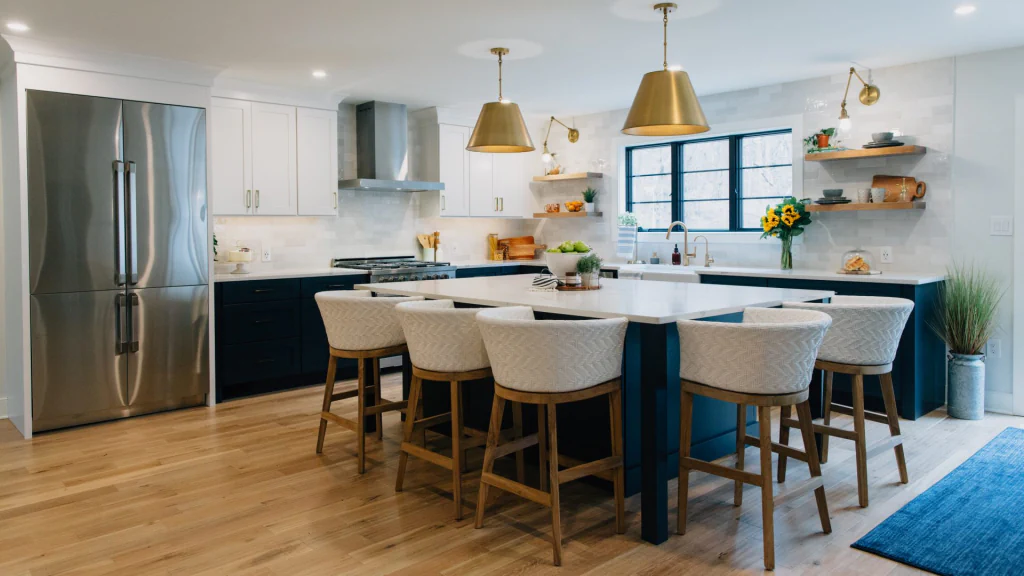
When you make a note, describe what someone was trying to do. “The kitchen feels crowded” captures a feeling. “Guests cross between the refrigerator and stove to get drinks while we’re cooking” gives a designer something specific to explore.
As Sandra Phillips, COCOON’s Design & Style Advisor, explains in our article on planning a kitchen around everyday routines, understanding how people use a space helps guide decisions about its layout and storage. Your holiday observations can start that conversation. You bring the everyday examples; your design team helps you explore the possibilities.
Think through the gathering in stages:
Notice what you enjoy just as carefully. If everyone gravitates toward the island, you may love having company while you cook. That connection belongs in your notes, even if the seating or path around it could work better.
You might write, “We want people nearby, with enough room to open the refrigerator.” These holiday hosting notes give a future design conversation both a priority and a practical problem to explore.
You may have arranged the living room beautifully, only to spend the evening with everyone standing in the kitchen. People don’t always gather where the furniture suggests they should.
In a 2024 Pew Research Center survey, 26% of U.S. adults expected to share Thanksgiving dinner with more than 10 other people. A larger gathering gives you a chance to notice which paths become crowded and where guests naturally settle.
Watch where conversations happen and consider what draws people there. Is it proximity to the host? Comfortable seating? A quieter corner where two people can hear each other?
Around the dining table, notice whether guests can pull out chairs and walk past someone who is seated. In the living room, consider whether people can face one another comfortably or need to turn and lean to join the conversation.
Also notice who chooses a little distance from the group. A guest may appreciate a quieter seat, while children might enjoy playing nearby without being in the middle of dinner.
These observations can reveal different needs within the same gathering: connection, room to move, and somewhere to step away.
A future remodel of your first floor might address those needs through furniture placement, storage, openings between rooms, or changes to the layout. You don’t need to choose the approach yet. Start by identifying which connections between spaces help you enjoy being together.
Anthony and Meghan’s West Chester remodel offers one example. Their kitchen island seats family and friends on two sides while preserving the backyard view they love. It’s a useful reminder to note what you want to keep as well as what you want to change.
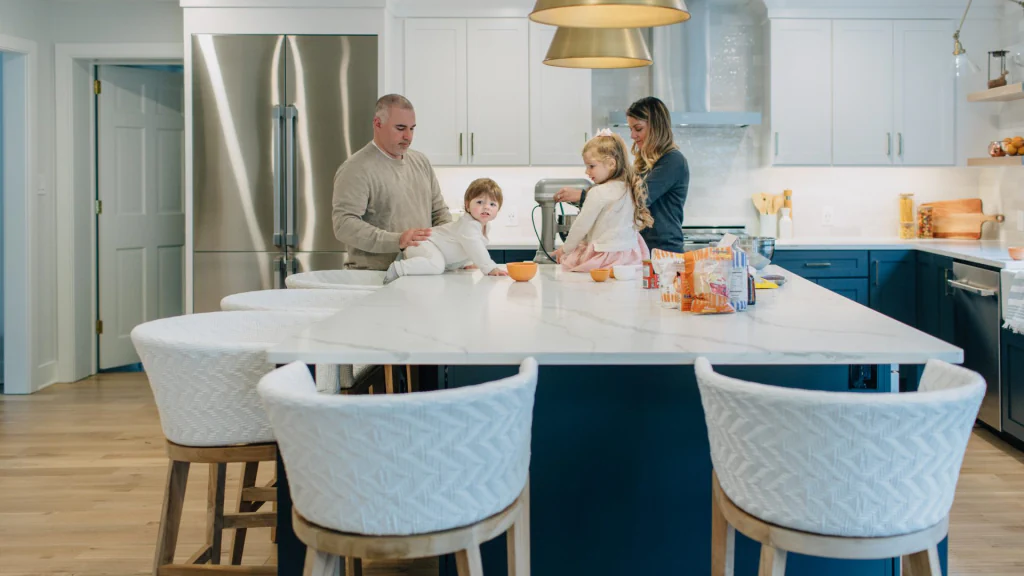
After hosting a full house, it’s tempting to imagine a home built around that exact evening. Before turning every frustration into a remodeling priority, consider how often it happens.
Does the tight path around the table bother you every week, or only when you add six chairs? Is the kitchen counter always crowded, or was it temporarily holding an unusually ambitious dessert spread?
Frequency helps you decide how much weight to give each observation. A challenge you face every morning may deserve more attention than one you can manage with a folding table twice a year.
On the other hand, if hosting extended family is a meaningful part of your life, making those gatherings easier can be a valid priority.
The goal is a home that supports your ordinary routines and the occasions you care about most.
COCOON’s “Design for Tuesdays” Instagram post offers a useful reminder: consider how your home supports ordinary days as well as holiday gatherings.
Once the dishes are put away, take a few minutes to capture what you noticed. A note on your phone is enough, or use COCOON’s Holiday Hosting Notes worksheet for prompts, examples, and space to save your thoughts.
Download the Four-Question Worksheet

Whether you use the worksheet or a note on your phone, start with these four questions:
One specific example per question is enough. If other household members helped host, ask what stood out to them, too. Someone handling arrivals may have noticed something different from the person serving dinner.
You don’t need a finished floor plan to begin thinking about a remodel. Knowing what you want to make easier—and what you already love—gives a design team a useful place to start.
That’s the thinking behind COCOON’s Designed Around Life approach: understanding the people and routines a home needs to support.
For now, enjoy the gathering. Save your holiday hosting notes afterward. When you’re ready to see how those observations could inform a future project, explore COCOON’s remodeling process.